
The Best Beginner Electric Guitar for Every Kind of Player
The specs that matter in a beginner electric guitar, real picks for small hands, metal, lefties and clean tone, and everything else you need to start.

The best beginner electric guitar is not one specific model, it is any guitar that arrives with low, even string action, a neck your hand can wrap around comfortably, and pickups that suit the music you actually want to play. For most new players that means a double-cutaway guitar with an HSS pickup layout, a C-shaped maple neck, and a 25.5 inch scale length, the same formula behind guitars like the Yamaha Pacifica 112V and the Squier Affinity Stratocaster. If your hands are small, your goals lean toward heavier music, or you play left-handed, the right pick changes, and the sections below cover each of those cases with real specs, not guesswork.
What Actually Makes a Guitar Good for a Beginner
Every guide ranks guitars by brand reputation or tone, but almost none of them explain why a specific guitar is easy or hard to learn on in the first place. Four things decide that, and they matter more than the badge on the headstock.
Setup quality
A guitar that leaves the factory with low, even string action is dramatically easier to fret cleanly than one that does not, regardless of how good the wood or pickups are underneath it. A poorly set up guitar in a well known brand's beginner line can be harder to play than a lesser known brand's guitar that was set up properly before it shipped. Setup is also the one factor on this list that has nothing to do with the guitar itself and everything to do with who handled it last, which is exactly why it gets its own full section below.
Neck comfort
Your fretting hand spends every minute of practice wrapped around the neck, so its width, thickness, and shape decide how tired your hand gets and how far your fingers have to stretch for a chord. A neck that feels fine for two minutes in a shop can feel very different after fifteen minutes of an actual practice session, once your hand has had time to fatigue and your grip has started to tighten out of habit rather than necessity. This is also the one spec that photographs and online listings communicate worst, which is why trying a guitar in person, even a different model from the same maker, is worth doing if you can.
Pickup type
Single coil pickups sound brighter and thinner, humbuckers sound thicker and quieter at high gain. This is not just a tone preference, it changes how forgiving the guitar is when you are still learning to mute strings you are not using, since a brighter single coil tone makes an accidentally ringing open string or a muted note more obvious than a thick humbucker tone does. Neither is objectively better for learning technique, they simply expose different things about your playing.
Weight and balance
A heavier guitar sitting on a strap for twenty minutes will tire your shoulder and back faster than a lighter one, which matters more than it sounds like it should when you are trying to build a daily practice habit rather than survive one long session. Balance matters too, not just total weight: a guitar that is neck-heavy will want to tip toward the headstock every time you take your fretting hand off the neck, forcing your hand to do double duty holding the neck up as well as fretting notes, which is tiring in a way that is easy to blame on technique when it is really a design issue.
Everything else, the color, the headstock logo, the price tier, matters far less to how quickly you improve than these four things do.
Neck Profile and Scale Length, Explained
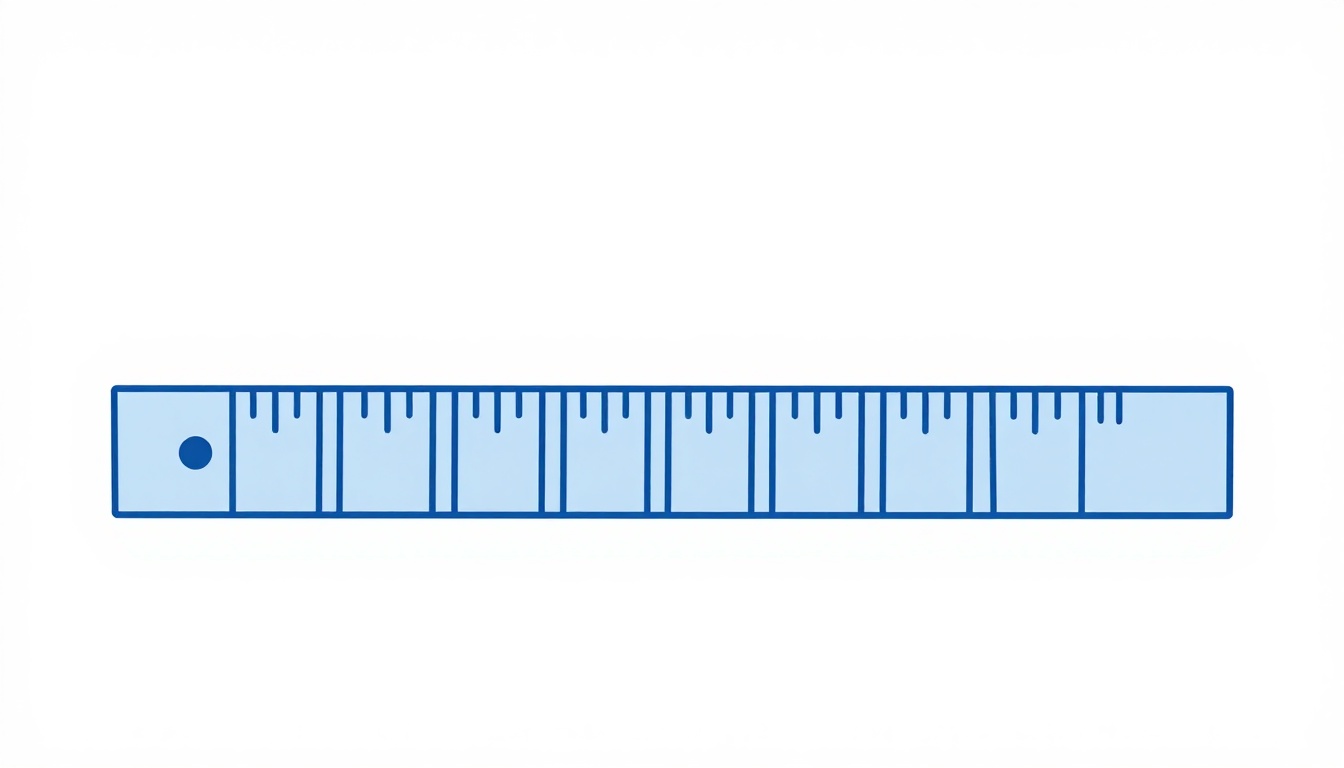
"Neck profile" describes the cross-sectional shape of the back of the neck, the part your thumb and palm actually touch. "Scale length" is the distance from the nut to the bridge, and it determines how far apart the frets are spaced and how much tension the strings sit under.
| Term | What it means | Effect on a beginner |
|---|---|---|
| C-shape neck | A rounded, evenly curved back, the most common profile on beginner guitars | Comfortable for most hand sizes, a safe default if you are unsure |
| D-shape neck | Flatter on the back with more defined shoulders | Favored by players who bend strings a lot, less common on true beginner models |
| 25.5 inch scale | Standard Fender-style scale length | Slightly higher string tension, frets spaced a touch further apart |
| 24.75 inch scale | Standard Gibson-style scale length | Slightly lower string tension, frets spaced a touch closer together |
| 24 inch scale (short scale) | Found on guitars like the Mustang | Lowest tension and narrowest fret spacing, easiest reach for small hands |
None of these differences are dramatic on their own, but they compound. A player with small hands moving from a 25.5 inch scale guitar to a 24 inch short scale model often notices the change within the first few minutes of playing, particularly when reaching for a stretch like the one in an open C chord.
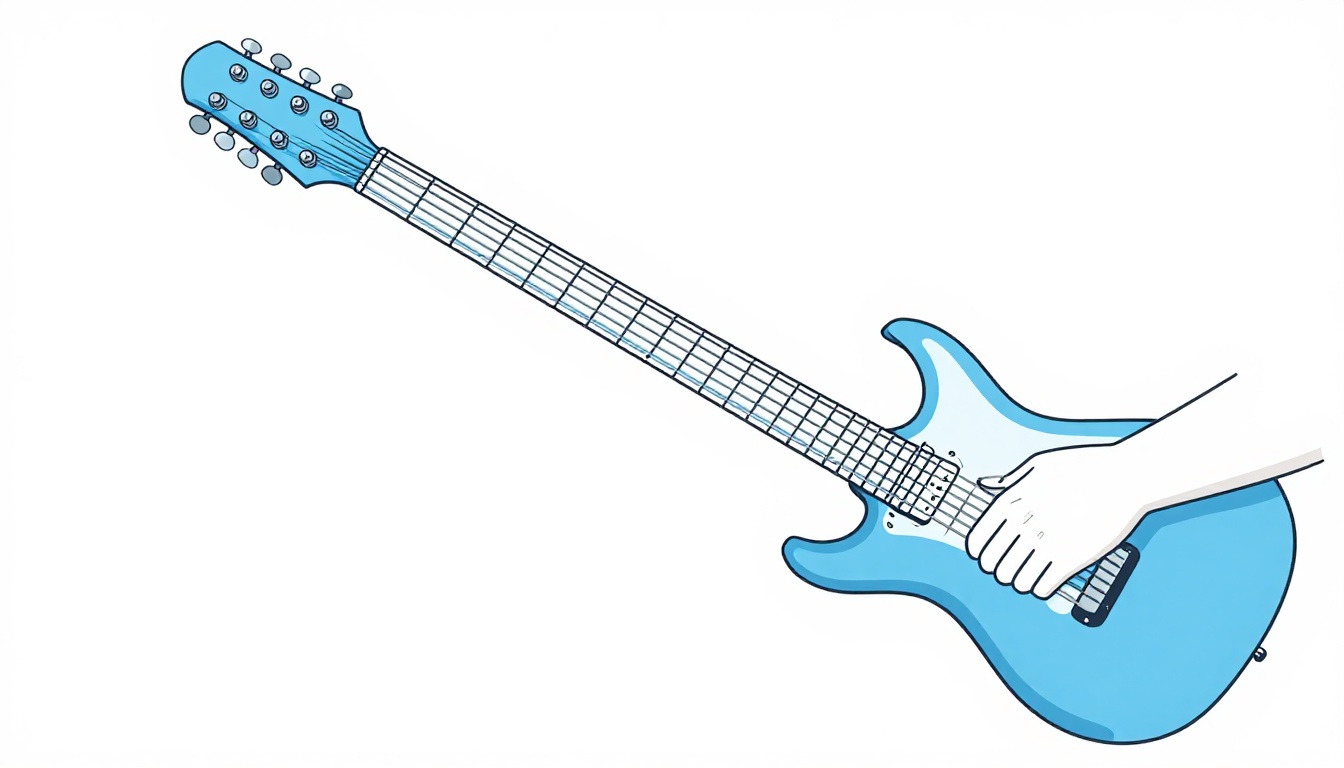
String Action and Factory Setup
This is the single most underrated factor in how any guitar feels to a new player, and it is also the part almost no gear list mentions, because it is not a spec you can put in a table, it is something a technician adjusts by hand.
String action is the height of the strings above the fretboard. Set it too high and every chord takes noticeably more finger strength to fret cleanly, which tires a new player's hand fast and makes buzzing and dead notes feel like a skill problem when they are actually a setup problem. Set it too low and the strings buzz against the frets even when your technique is fine.
A guitar that "plays easy" almost always just means someone, either at the factory or at the shop, adjusted the action, the neck relief, and the intonation correctly before it reached you. This is true regardless of price tier: a well set up entry-level guitar will often feel easier to play than a poorly set up professional-grade one.
If you are buying online rather than in a shop, look specifically for retailers who describe performing a setup before shipping, and if the guitar arrives with high action or buzzing that a light adjustment does not fix, a local guitar tech can correct it in under an hour. This single adjustment, more than any spec on this page, decides whether your first weeks on the instrument feel encouraging or discouraging.
Single Coil vs Humbucker vs HSS Pickups
Pickups are magnets wrapped in coils of wire, mounted under the strings, that turn the string's vibration into the electrical signal your amp turns into sound. The type installed on a guitar shapes both its tone and how forgiving it is for a new player.
| Pickup type | Sound | Beginner-friendly trait |
|---|---|---|
| Single coil | Bright, crisp, detailed | Reveals fret buzz and muted strings clearly, useful for hearing your own mistakes |
| Humbucker | Thicker, warmer, higher output | Cancels the background hum single coils pick up, more forgiving at higher amp volume |
| HSS (humbucker, single, single) | Blends both | One guitar that covers cleaner tones and thicker, higher gain tones without switching instruments |
Single coil pickups are the classic choice for blues, funk, country, and clean pop tones, and their brighter sound has a side effect that is genuinely useful while learning: it makes buzzing strings and unclean fretting more audible, which sounds like a downside but actually helps you hear and fix technique problems earlier. Humbuckers push a thicker, higher output signal that handles distortion and higher amp volume without as much unwanted noise, which is why most rock and metal oriented guitars use them.
An HSS layout, a humbucker near the bridge and two single coils elsewhere, gives a new player both options on one guitar, which is part of why it shows up on so many all-around beginner recommendations, including the Yamaha Pacifica 112V and Squier Affinity Stratocaster covered below.
Body Shapes and Weight, Compared
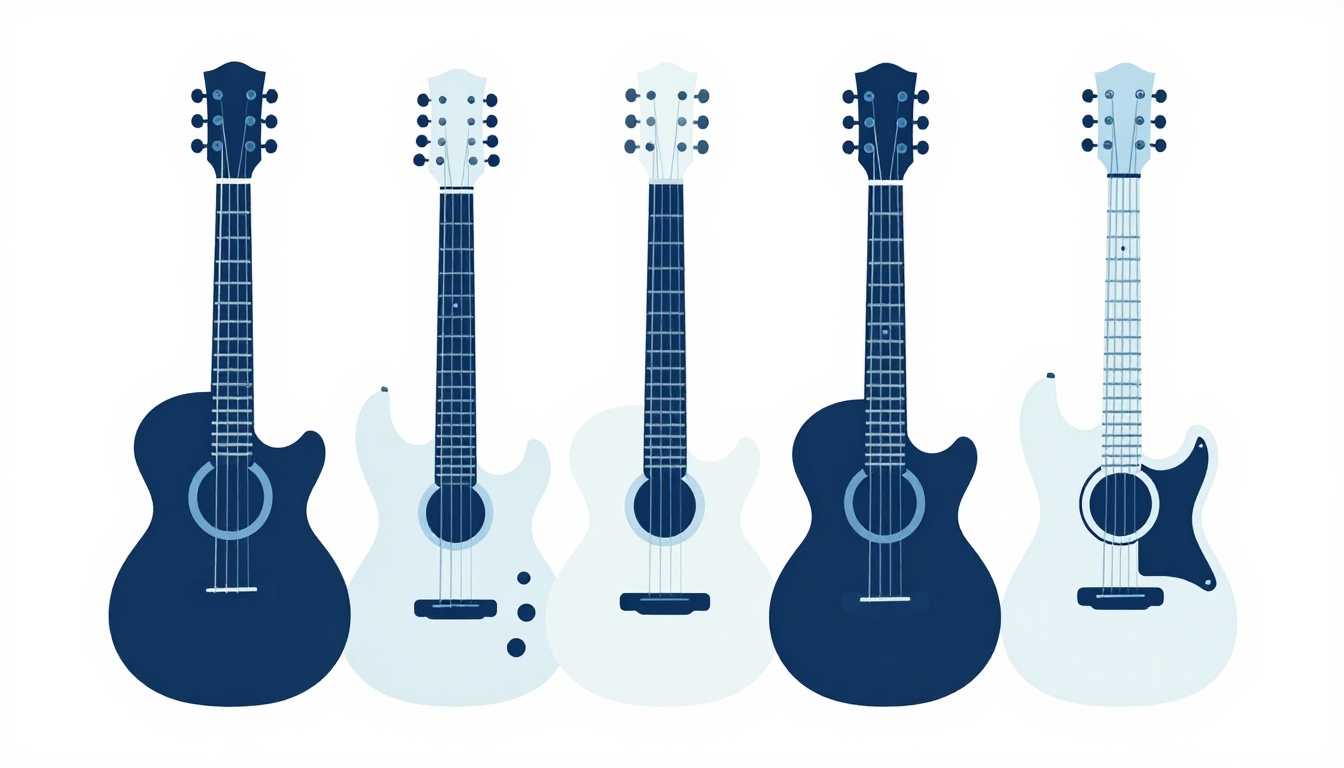
The four body shapes below cover most beginner electric guitars you will encounter, and each one plays and sits differently against your body.
| Body shape | Cutaway | Typical weight | Feel |
|---|---|---|---|
| Stratocaster-style | Double cutaway, heavily contoured | Light to medium | Rounded edges on the front, back and sides, comfortable against the body and ribs |
| Telecaster-style | Single cutaway, flatter slab body | Light to medium | Simpler, flatter shape with less body contouring than a Stratocaster |
| Les Paul-style | Single cutaway, arched top | Medium to heavier | Denser mahogany construction gives more sustain but adds shoulder weight over a long session |
| Short-scale double cutaway (Mustang-style) | Double cutaway | Light | Smaller overall body and shorter neck, easiest to hold for smaller frames |
A Stratocaster-style double cutaway is the most forgiving starting shape for most adult beginners: it is contoured to sit comfortably against your ribs and forearm, and the double cutaway gives your fretting hand clear access to the highest frets without the body getting in the way. A Telecaster-style body is simpler and flatter, which some players find easier to judge their strumming hand's position against. Les Paul-style guitars use a denser mahogany body that adds sustain and warmth to the tone, but the extra weight is worth noticing if you plan to stand and practice with a strap rather than sit.
Does the Body Wood Actually Matter for a Beginner?
Tonewood, the type of wood a guitar body and neck are built from, gets debated endlessly among experienced players, and the honest answer for a beginner is that it matters less than setup, neck feel, or pickups, but it is not nothing either.
| Wood | Common on | General character | Weight |
|---|---|---|---|
| Alder | Stratocaster and Telecaster-style bodies | Balanced, slightly bright, even across the frequency range | Light to medium |
| Poplar | Squier and other entry-level Stratocaster and Telecaster-style bodies | Similar balance to alder, a common and reliable substitute | Light to medium |
| Mahogany | Les Paul and SG-style bodies | Warmer, thicker low end, more sustain | Medium to heavier |
| Basswood | Many entry-level and Ibanez-style bodies | Soft, even, slightly scooped in the midrange | Light |
For a total beginner, the practical takeaway is simpler than the tonewood debate itself: alder and poplar bodies tend to be lighter and slightly brighter, mahogany bodies tend to be heavier with more low-end warmth and sustain, and basswood splits the difference on weight while leaning soft and even in tone. None of these differences will make or break your first year of learning technique, and the pickups installed on the guitar shape the tone far more audibly than the body wood underneath them does. Where wood does matter concretely for a beginner is weight, since that affects how your shoulder feels after twenty minutes with a strap on, which is a real, physical factor rather than a subtle tonal one.
The Best All-Around Beginner Electric Guitar
If you do not yet know what style of music you want to play, an HSS guitar with a light body and a comfortable, standard-width neck is the safest starting point, and the Yamaha Pacifica 112V is one of the most consistently recommended examples of this formula.
| Spec | Detail |
|---|---|
| Body | Solid alder, double cutaway |
| Pickups | HSS, Alnico V single coils and humbucker |
| Scale length | 25.5 inch |
| Neck | Maple, C-shape |
| Fretboard | Rosewood or maple, depending on finish |
The alder body keeps the overall weight manageable for long practice sessions, and the HSS pickup configuration means you are not locked into one genre while you figure out what you enjoy playing. The C-shape maple neck is a comfortable middle ground, not the widest or the thinnest option on this page, which makes it a safe default if you have not yet played enough guitars to know your own preference. This is also the guitar worth trying first in a shop if you can, specifically to build a physical reference point for what "comfortable" feels like before you compare anything else on this page against it.
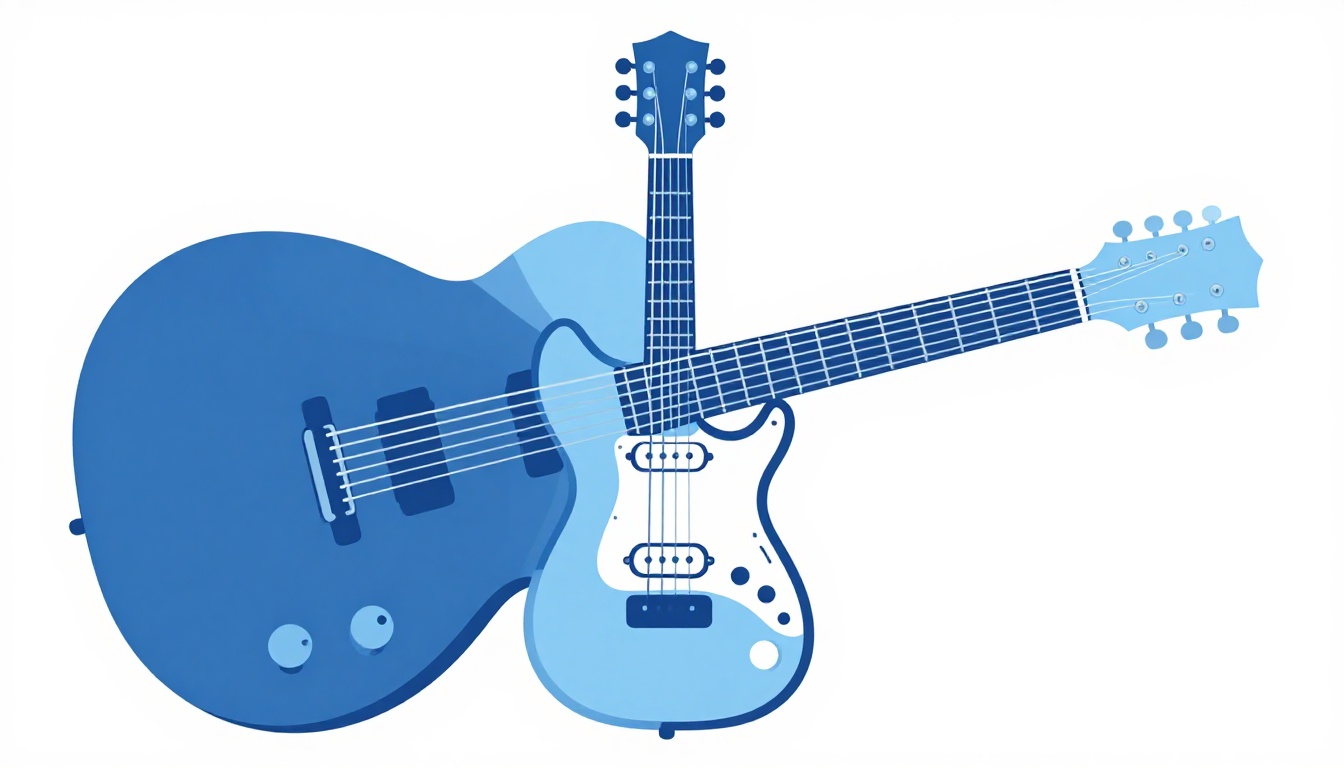
A close cousin of this formula is the Squier Affinity Series Stratocaster, which trades the alder body for poplar and keeps the same HSS layout and C-shape maple neck.
| Spec | Detail |
|---|---|
| Body | Solid poplar, double cutaway |
| Pickups | HSS, ceramic |
| Scale length | 25.5 inch |
| Neck | Maple, C-shape, 9.5 inch fingerboard radius |
| Fretboard | Maple |
The two guitars play similarly, since both share the same scale length, neck shape, and pickup layout, and choosing between them usually comes down to which one you can try in person or which finish and fretboard material you prefer.
The Best Beginner Electric Guitar for Small Hands
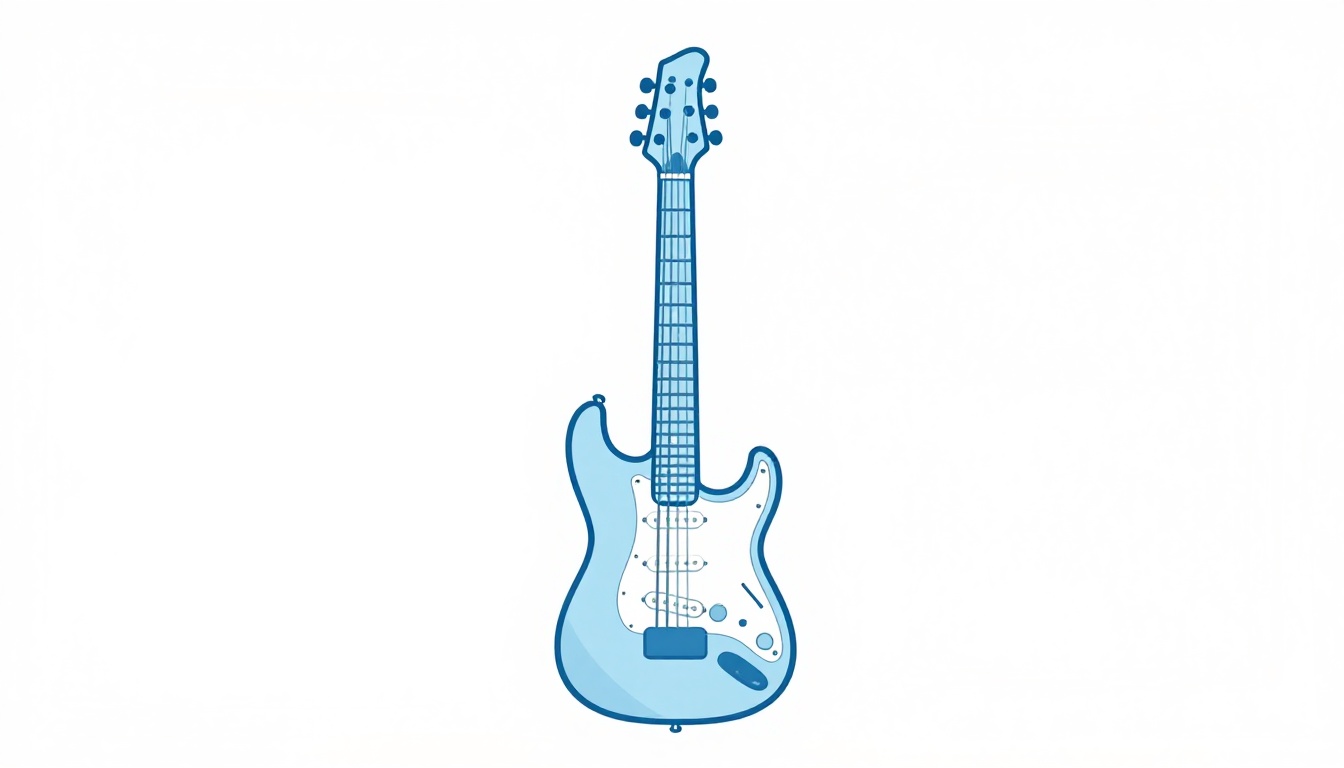
If your hands are on the smaller side, or the standard 25.5 inch scale feels like a stretch even on open chords, a short-scale guitar closes that gap without changing anything else about how you learn. The Squier Sonic Mustang HH is the clearest example.
| Spec | Detail |
|---|---|
| Body | Lightweight poplar |
| Pickups | HH, ceramic humbuckers |
| Scale length | 24 inch (short scale) |
| Neck | Slim C-shape |
| Bridge | 6-saddle hardtail |
| Tuners | Sealed-gear |
A 24 inch scale length means the frets sit closer together and the strings carry slightly less tension than on a standard 25.5 inch guitar, both of which make a real, immediate difference for a hand that has to stretch across three or four frets to hold an open chord. The lightweight poplar body and hardtail bridge, which holds tuning more reliably than a spring-loaded tremolo bridge, round out a guitar that is genuinely easier to hold and play for a smaller frame, not a scaled-down toy version of a full-size instrument. It is also a sensible choice for a shorter-armed or younger player without treating them as a separate category from an adult beginner with small hands, since the same physical reasoning applies to both.
The Best Beginner Electric Guitar for Rock and Metal
If distortion, palm muting, and faster riffs are the goal from day one, humbuckers and a slim, fast neck matter more than the clean, detailed tone single coils offer. The Ibanez Gio GRX70QA is built around exactly that priority.
| Spec | Detail |
|---|---|
| Body | Solid poplar with quilted maple top |
| Pickups | HSH, Infinity ceramic series |
| Scale length | 25.5 inch |
| Neck | Maple, slim and fast profile typical of Ibanez's Gio series |
| Fretboard | Purpleheart |
The HSH layout, a humbucker at each end with a single coil in the middle, leans toward higher output tones while still keeping a clean, single coil option available for practicing without distortion. Ibanez necks, including the Gio line's beginner models, are consistently built thinner and flatter than a typical Stratocaster or Les Paul neck, which suits fast lead lines and palm-muted rhythm playing but is worth noticing if you have larger hands and prefer a fuller neck to grip.
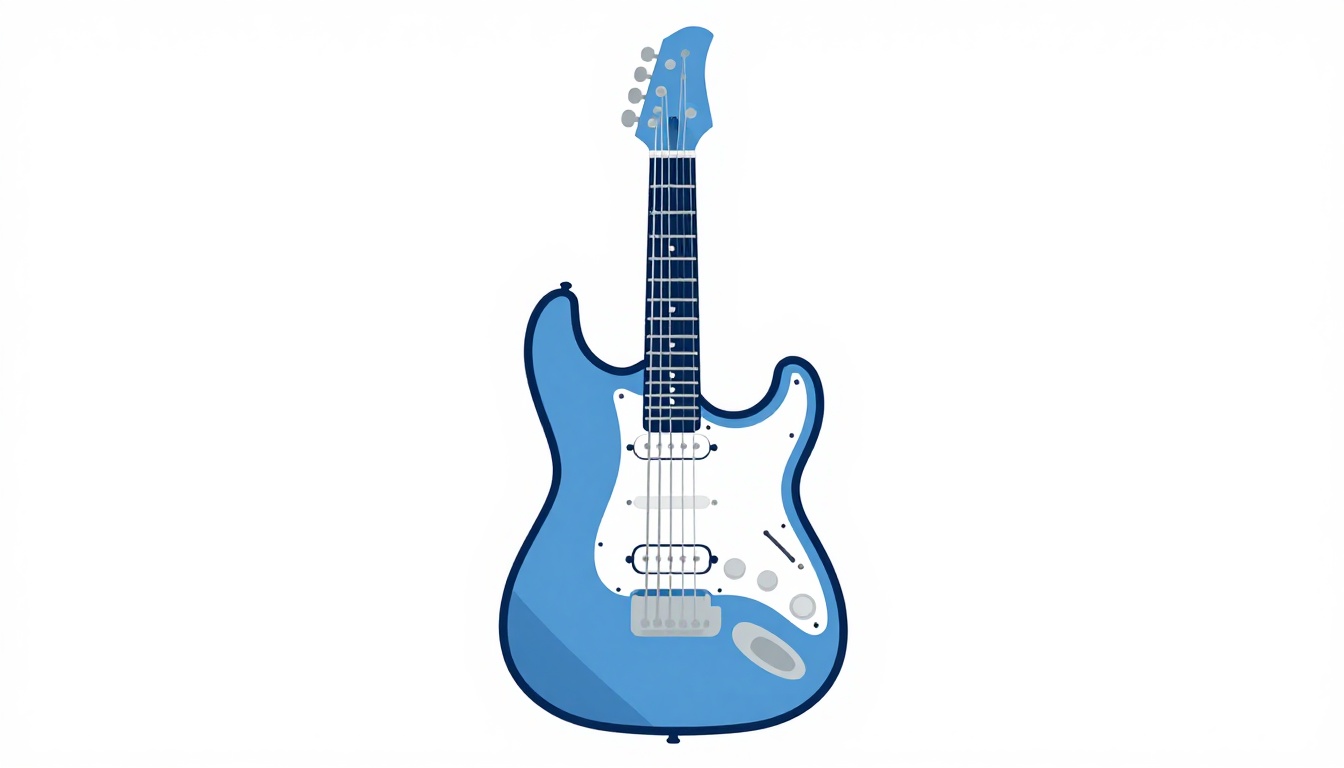
For a fuller, warmer rock tone rather than a faster metal-leaning one, the Epiphone Les Paul Studio takes a different route to a similar humbucker-driven goal.
| Spec | Detail |
|---|---|
| Body | Mahogany with maple cap, weight-relieved |
| Pickups | HH, Alnico Classic PRO humbuckers, coil-splittable |
| Scale length | 24.75 inch |
| Neck | Mahogany, 60s SlimTaper profile |
| Fretboard | Laurel, 12 inch radius, 22 medium jumbo frets |
The mahogany body and 24.75 inch scale are the classic Les Paul formula, giving the guitar more sustain and a thicker low end than a typical Stratocaster-style guitar, and the coil-splitting push and pull control on the volume knob lets you thin one humbucker down toward a single coil sound when you want it. The weight relief cut into the body reduces some of the density mahogany is known for, though this style of guitar still tends to sit heavier on a strap than a poplar or alder-bodied alternative, worth factoring in if you plan to practice standing.
The Best Beginner Electric Guitar for Classic and Blues Tones
If your reference points are blues, classic rock, country, or clean pop tones, single coil pickups and a simple, direct guitar tend to serve that sound better than a humbucker-loaded one. A Telecaster-style guitar is the standard reference point here.
| Spec | Detail |
|---|---|
| Body | Solid alder, single cutaway |
| Pickups | SS, single coil, 3-position blade switch |
| Scale length | 25.5 inch |
| Neck | Maple, C-shape, 9.5 inch fingerboard radius, 21 medium jumbo frets |
| Bridge | 6-saddle top-load |
The two single coil pickups and simple 3-way switch give you a bright neck tone, a twangy bridge tone, and a blended middle position, covering most of what blues, country, and classic rock rhythm playing ask for without needing to learn a more complex control layout. The flatter, single cutaway body is also less contoured than a Stratocaster's, which some players find gives them a clearer physical sense of where their strumming hand is relative to the strings, useful while you are still building consistent strumming habits.
The Best Beginner Electric Guitar for Left-Handed Players
Left-handed guitars are not simply right-handed guitars turned upside down, they are built with a mirrored body, reversed string order, and a nut cut for the opposite string tension, so buying a true left-handed model matters more here than in almost any other beginner gear decision. The Squier Affinity Series Telecaster is one of the more widely available left-handed beginner options, built to the same specification as its right-handed counterpart, just mirrored.
| Spec | Detail |
|---|---|
| Body | Solid alder, single cutaway, mirrored for left-handed play |
| Pickups | SS, single coil, 3-position blade switch |
| Scale length | 25.5 inch |
| Neck | Maple, C-shape, 9.5 inch fingerboard radius, 1.61 inch nut width |
| Bridge | 6-saddle top-load |
Availability is the practical obstacle for left-handed players more than quality, since most models on this page are not manufactured in a left-handed version at all, or are far harder to find in shops. Before falling in love with a specific right-handed model on this page, it is worth checking whether a left-handed version of that same guitar, or a close equivalent from the same maker, actually exists and is in stock before building your decision around it.
How to Test a Guitar in a Shop Before You Buy
If you can visit a shop in person, a few minutes of hands-on testing tells you more than any spec sheet, including this one.
Sit and stand with it
Play the guitar both seated and, if you can, standing with a strap on. A guitar that feels balanced sitting in your lap can pull awkwardly toward the headstock once it is hanging from a strap, and you will not notice that difference unless you actually stand up with it.
Fret a few notes with light pressure
Press a note in the first few frets using only the pressure that feels natural, not deliberately hard. If it buzzes or takes real effort to sound clean, the action is likely set too high, and that is worth knowing before you buy rather than after, since it is the single factor most likely to make a good guitar feel bad in your hands.
Plug it in and listen through a real amp
A guitar's unplugged, acoustic volume tells you almost nothing useful, since the pickups and amp do the real work of shaping the tone you will actually hear. Plug into a small amp, run through each pickup position, and roll the volume and tone knobs to check for any crackling or dead spots.
Ask about the setup
A shop that performs a setup on every guitar before it reaches the floor is doing you a real favor, and it is a fair, ordinary question to ask before buying. If a guitar has not been set up and the action feels high, ask whether the shop will do it as part of the sale, many will.
Buying Used: What to Check Before You Commit
A used guitar can be a perfectly good way to get a well-built instrument, but a few checks matter more on a used guitar than a new one, since you cannot rely on a factory setup or a return window.
Neck straightness. Sight down the neck from the headstock toward the body, like looking down a pool cue. It should look nearly straight, with only a very slight forward bow. A neck that curves sharply or twists is a repair cost, not a quirk.
Fret wear. Look for small divots worn into the frets, especially in the first five frets where beginners and open chords concentrate most of their playing. Light wear is normal and not a problem, deep grooves mean the frets may need leveling.
Electronics. Plug the guitar in and wiggle the cable at the jack, roll the volume and tone knobs through their full range, and flip the pickup selector switch through every position, listening for crackling, cutting out, or dead spots.
Tuning stability. Tune the guitar up, play a few chords, and check the tuning again a minute later. Guitars that will not hold tuning even briefly usually have a nut or tuning machine issue worth knowing about before you buy, not after.
None of these checks require special tools, and a seller who is reluctant to let you plug the guitar in and check them is worth treating as a warning sign in itself. If a used guitar fails one of these checks but you still want it, weigh how much effort the fix actually takes: a slightly out of tune string or a crackling knob is a five-minute fix at home, while a warped neck or a badly worn fretboard usually means a trip to a repair shop before the guitar is genuinely comfortable to learn on. A guitar that needs real repair work before it is playable is rarely a good first instrument, even when everything else about it looks appealing, since the whole point of a beginner guitar is removing obstacles between you and daily practice, not adding one before you have even started.
What Else You Need Besides the Guitar
An electric guitar on its own makes almost no sound. A small amplifier is not optional the way it can feel like one for an acoustic guitar, it is the other half of the instrument.
| Item | Why you need it |
|---|---|
| Amplifier | Turns the guitar's electrical signal into sound, essential from day one |
| Instrument cable | Connects the guitar to the amp |
| Guitar strap | Lets you practice standing, and matters for posture even seated |
| Tuner | Keeps the guitar in tune, which keeps your ear trained correctly from the start |
| Picks | A few different thicknesses are worth trying early to find what suits your strumming hand |
| Spare strings | Strings break, usually without much warning |
Many beginner guitars are sold in bundles that include a small amp, a cable, a strap, and sometimes a tuner and picks in one package. These bundles are worth considering purely for convenience, since sourcing five separate items on your own takes more research than most brand-new players want to do in their first week, though it is worth checking reviews of the specific bundle rather than assuming every included accessory is worth keeping long-term. A cable or strap that turns out to be low quality is an easy swap later, it is not a reason to avoid a bundle that gets the guitar and amp right.
String Gauge: Why Lighter Strings Are Easier to Start On
String gauge is the thickness of the strings, measured in thousandths of an inch, and most beginner electric guitars ship with a light set already installed. That is not an accident, and it is worth understanding rather than changing without a reason.
| Gauge set | High E string | Low E string | Feel |
|---|---|---|---|
| Extra light | .008 inch | .038 inch | Lowest tension, easiest to fret and bend, more prone to buzz at very low action |
| Light | .009 inch | .042 inch | The standard beginner and general-purpose set on most electric guitars |
| Medium | .010 inch | .046 inch | Slightly more tension and fuller tone, a common step up once your hands are stronger |
| Heavy | .011 inch | .052 inch | Noticeably firmer under the fingers, more common on lower tunings than standard playing |
A lighter gauge string requires less finger pressure to fret cleanly and less effort to bend, both of which matter directly to a hand that has not yet built calluses or finger strength. This is one of the reasons electric guitar can feel easier to a total beginner than acoustic: acoustic guitars are commonly strung with medium or even heavier gauges to support their tone and projection, while electric guitars are almost always set up with a light gauge as the default. If your guitar came strung with anything heavier than a light set and fretting feels harder than it should, a string change to a light gauge, a simple swap, is worth trying before assuming the difficulty is about your technique.
Choosing Your First Amp: Modeling, Solid-State, or Tube
The amp shapes your tone as much as the guitar does, and beginner amps generally fall into three categories.
| Amp type | What it offers | Best suited to |
|---|---|---|
| Modeling | Digital simulations of many different amp and effect types in one unit | Beginners exploring different genres and tones before settling on a sound |
| Solid-state | A simpler, fixed circuit, reliable and low maintenance | Straightforward daily practice without extra tone-shaping options |
| Tube | Analog vacuum tube circuitry, prized tone among experienced players | Players who already know they want a classic amp tone and are ready for more upkeep |
For a total beginner, a small modeling amp is usually the most practical starting point, since it lets you hear what a clean tone, a light crunch, and a heavier distorted tone each sound like on the same guitar without buying multiple amps to compare them. Solid-state amps are a dependable, simpler alternative if you already know you want a straightforward practice amp without extra features to learn. Tube amps are generally not the first recommendation for a beginner, not because the tone is not excellent, but because they need more maintenance, cost more to service over time, and offer less of the built-in versatility a new player benefits from while still exploring what they like.
Wattage matters less for a beginner than the category itself. A small practice amp in the 10 to 20 watt range is genuinely loud enough for home practice, and in most households, far louder than you will actually want to play it, since a small amp at half volume already fills an average room. Higher wattage amps are built for playing over a drummer or a full band, a need most beginners will not have in their first year, so there is little reason to prioritize wattage over the tone-shaping features covered above.
Practicing Quietly: Amps, Headphones, and Interfaces
Full-size practice amps are not the only way to hear yourself, and for a lot of adult beginners practicing in an apartment or around a sleeping household, they are not even the most practical one.
A small headphone amp, a compact unit that plugs directly into the guitar and outputs to headphones, lets you practice at any hour without an amplifier in the room at all. Many of these units also include a built-in tuner and a handful of built-in amp tones or effects, which is genuinely useful while you are still developing an ear for what different tones sound like. The tradeoff is that headphone practice removes the physical sensation of sound moving air in a room, which matters once you start playing with other people, so it is worth balancing headphone sessions with at least occasional practice through a small amp if you have one available.
Whichever option you choose, keeping it permanently set up, cable plugged in, headphones within reach, removes the small daily friction of setting up gear, which matters more to whether you actually practice than almost any spec on this page.

Electric or Acoustic First?
If you are choosing between your first electric and your first acoustic guitar rather than which electric to buy, the physical differences matter more than the tonal ones. Electric guitar strings sit under noticeably less tension than acoustic strings, and electric necks are typically narrower, both of which make fretting a clean chord physically easier while your fingertips are still building calluses and your hand is still building strength.
The tradeoff is that an electric guitar needs an amplifier to be heard properly, which is one more thing to buy and set up compared to an acoustic guitar you can pick up and play anywhere. Electric necks also tend to be slightly narrower and flatter than acoustic necks, which is part of why barre chords and faster single-note lines often feel more approachable on electric once you get there, though that is a difference you will only notice weeks or months in, not something that should decide your first purchase on its own.
Neither instrument is objectively the easier one to learn on musically, chords and technique transfer between them almost entirely, so the honest answer is that the instrument you are more excited to pick up every day is the right one to start on, and the lower string tension is a genuine, physical head start if your goal happens to be electric anyway. If you are still undecided, picking up both in a shop for a few minutes each, fretting the same simple chord on each one, is a faster way to settle the question than reading another comparison of their tone.
Common Mistakes When Buying Your First Electric Guitar
Buying based on the guitar a favorite musician plays
A guitar chosen for its association with a specific artist or genre is not automatically the right fit for your hand size, neck preference, or the music you will actually spend most of your practice time playing. It is a fine tiebreaker between two guitars that are otherwise equally comfortable, but a poor reason to override a neck or weight that does not actually suit you.
Ignoring the neck entirely
Buyers compare pickups, body wood, and finish in detail and then never actually hold the neck they are about to buy. The neck is the part of the guitar your hand touches every single minute you play it, far more than the body, the pickups, or any other spec on this page, which makes it the single worst spec to buy sight unseen if you have any way to avoid it.
Skipping the amp and accessories in the budget
A guitar alone, without an amp, cable, and strap, is not yet a usable instrument, and treating those as an afterthought after spending the full budget on the guitar body is one of the most common beginner missteps. Plan for the full setup, guitar, amp, cable, strap, and tuner, as one purchase rather than a guitar purchase followed by a scramble to find the rest.
Assuming a higher price tier always means easier to play
A professional-grade guitar with poor factory setup can be genuinely harder to play cleanly than a well set up entry-level model, since setup quality, not build tier, is what your hands feel first. Price tier tends to correlate with hardware quality and finish detail over the long run, but it is not a reliable shortcut for how a specific guitar will feel in your hands on day one.
Overlooking left-handed availability entirely
A right-handed guitar is not adjustable into a left-handed one, so this decision has to be made before falling for a specific model, not after. If you play left-handed, narrow your search to left-handed models first and treat everything else on this page as a filter within that smaller list, not the other way around.
Setting Up Your New Guitar in the First Week
Even a guitar that arrives well set up benefits from a short check once it is in your hands, particularly if it shipped rather than came from a shop that set it up in person.
- Tune it fully, string by string, using a clip-on or pedal tuner rather than by ear, since your ear has not yet developed a reference for what in-tune actually sounds like on this specific instrument. Retune it again the next day, since brand-new strings stretch and settle over their first few days of use, and a guitar that was perfectly in tune yesterday can genuinely drift by the next session.
- Play a chord you already know low on the neck, and listen for buzzing. A little buzz in the first week on a brand-new guitar is common as strings settle, but persistent buzz on every fret is worth a setup check.
- Check the strap pin and strap connection before playing standing for the first time, since a loose strap button is a quick fix before it happens and a genuine accident after.
- Wipe the strings down after each session with a dry cloth. New strings hold their bright tone longer with this one small habit, and it takes about ten seconds.
- Plug into your amp or headphone amp and check every pickup position, one at a time, listening for any that sound noticeably quieter or noisier than the others. This is a five-minute check the first time you play the guitar and something you will not need to think about again once you know it is clean.
None of this replaces a professional setup if the guitar genuinely needs one, but it catches the small issues that are common in a guitar's first week and easy to fix before they turn into a bad first impression of the instrument itself.
Your First Two Weeks: A Practice Routine
The guitar you choose matters less over time than what you actually do with it in the first two weeks, which is the same short, consistent, fifteen minutes a day approach that works for any new player regardless of instrument.
- Days 1 to 3: Spend most of your time simply getting comfortable holding the guitar, seated and standing, and finding a strap length and seated position that feels natural. Play single notes up and down one string to get used to how much less pressure the strings need compared to what you might expect.
- Days 4 to 7: Start learning your first open chords. The open C chord is a common one to begin with, and because electric strings sit under less tension than acoustic strings, many new players find chord shapes noticeably easier to fret on an electric guitar than they expected.
- Days 8 to 11: Practice changing between two chords slowly and deliberately, prioritizing a clean, complete change over speed. This is the skill that turns individual chord shapes into something that sounds like a song.
- Days 12 to 14: Explore your guitar's pickup selector switch and, if it has one, its tone and volume controls, spending a few minutes listening to how each position changes the sound. Getting familiar with your own guitar's controls early means you are not discovering them for the first time in the middle of learning a song later.
Fifteen minutes done consistently across two weeks builds more real skill than one long session done once, because your hand is learning a physical habit, not memorizing a fact, and physical habits are built through frequent, short repetition. Resist the urge to judge your progress against how a guitar sounds in a video or a shop demo. Those recordings are made by hands that have already put in months or years of exactly this kind of short, repeated practice, and the gap between where you start and where they are now closes through the same small daily sessions, not through a single breakthrough.
FAQ
Is an HSS or HH pickup layout better for a total beginner? HSS gives you both a brighter, single coil clean tone and a thicker humbucker tone on one guitar, which is useful if you are not yet sure what style of music you want to play. HH leans toward a thicker, higher output sound suited to rock and heavier styles from the start, and is a reasonable choice if you already know that is the direction you are headed.
Does scale length actually matter for a beginner, or is it a minor detail? It matters more than its reputation suggests, particularly for players with smaller hands. A shorter scale length spaces the frets closer together and lowers string tension slightly, both of which make stretches like the one in an open C chord noticeably more manageable early on.
Do I need a full-size amp, or is a headphone amp enough to start? A headphone amp is genuinely enough to start on, and for many adult beginners practicing around other people, it is the more practical option. It is worth adding at least occasional practice through a small amp once you have one, since playing through open air feels different from headphones once you start playing with anyone else.
How much does string action really affect difficulty for a new player? Significantly. High string action can make a genuinely well designed guitar feel harder to play than a lesser one that happens to be set up correctly, since fretting a note cleanly on high action strings takes noticeably more finger strength and precision.
Is buying a guitar and amp bundle a bad idea? Not inherently. Bundles solve the real problem of needing to source several separate items in your first week, and getting the guitar and amp right matters more than whatever cable or strap ships alongside them. It is worth checking reviews of the specific bundle, since accessory quality varies more than the core guitar and amp do.
Should a beginner start on a short-scale guitar even with average-sized hands? Not necessarily. Short-scale guitars solve a specific problem, reach and tension, for players with small hands or a shorter frame. A player with average or larger hands is unlikely to notice much benefit and may find a standard 25.5 inch scale guitar's fuller sound and standard fret spacing preferable once they are used to it.
Can a beginner tell the difference between a well set up guitar and a poorly set up one before buying? Often, yes, with a simple check. Fret a note anywhere in the first five frets and press only as hard as feels natural, not deliberately hard. If it buzzes or feels like it takes real effort, the action is likely set too high, regardless of how good the guitar's other specs look on paper.
Is it worth learning basic chords on electric guitar, or should those come from an acoustic first? Chords transfer completely between the two instruments, and electric guitar's lower string tension can make the same open chords, including ones with a real stretch like C, physically easier to learn on than an acoustic. There is no musical reason to treat electric guitar as a second step after acoustic rather than a valid place to start.
Does a modeling amp sound worse than a tube amp for a beginner? Not in a way that matters early on. Modern modeling amps cover a wide range of tones convincingly, and the versatility to try clean, crunch, and distorted sounds on the same small amp is more useful to a new player than the more subtle tonal advantages experienced players associate with tube amps.
Should I change the strings on a new guitar before playing it? Not usually. Most new guitars, including every model covered on this page, ship with a fresh set of light gauge strings already installed and ready to play. A string change only becomes worth doing later, once you have a reason, like a broken string or a preference for a different gauge.
GuitarLowKey
Ready for fifteen focused minutes?
Open the web app and train the change that is blocking your song.